“new farming” search results (2000)
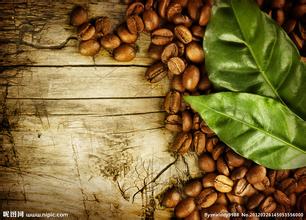
Boutique coffee Papua New Guinea coffee flavor nuts, sucrose, low acid and solid
The legendary background of modern coffee. In Papua New Guinea, about 75 per cent of coffee products come from small local farmers
2016-05-15 Boutique coffee Papua New Guinea flavor nuts sugar low acid solid
A unique coffee farm-San Cristobal, Venezuela
One of the many plantations in Merida at the foot of the Andes belongs to the Pablo and Pulido families, an ancient farm that has been allowed to downsize. Since taking over the farm in the early 1980s, the Pulido family has harvested coffee from existing bourbon coffee trees and planted new tree species.
2016-06-17 Very distinctive coffee manor Venezuela Crystal Val producing area
Introduction to the flavor and quality characteristics of coffee in Papua New Guinea
Although not to her best drinking time, but can already feel her beauty, the bird of paradise does not have the low depth of mandarin beans (although there is only a thin line between Papua New Guinea and Indonesia), drink clean, clear, taste up, after drinking the fragrance, from bitter to sweet, smooth taste of Paradise Bird is from Pakistan's famous farm Sigri Estate)
2016-06-15 Papua New Guinea coffee flavor quality characteristics introduction although no she
Wiki Valley, a coffee-producing region of Papua New Guinea, which is varied and rich in taste
The frost in 1975 destroyed most coffee crops in Brazil, but it affected the development of the coffee industry in Papua New Guinea. * * A scheme has been implemented to subsidize rural or collective landowners to create about 20 hectares of coffee plantations. This measure has indeed increased the penetration of coffee in the local economy, and by 1990, the annual output had reached 1 million bags. However, hardly ever.
2016-07-01 Variety taste rich Papua New Guinea coffee producing areas wikis valleys
The rise in the price of raw beans leads to a new standard for fair trade coffee
Due to the high price of raw coffee, the International Fair Trade Organization (FLO) raised the minimum price of its coffee and demanded different prices for Fairtrade coffee of different quality. The price of raw coffee beans, a commodity, is approaching the peak set in 1977. Fairtrade said that although this is good news for individual coffee farmers, some coffee production organizations have not really learned from it.
2016-09-21 Raw beans prices rise lead fairness trade coffee new standards standards due to
Introduction to coffee flavor description of Paradise Bird Manor in Papua New Guinea
In Papua New Guinea, about 75% of coffee products come from small local farmers.
2016-10-06 Papua New Guinea Birds of Paradise Manor Coffee Flavor description Grinding processing
Introduction to Paradise Bird Manor in Papua New Guinea
The frost in 1975 destroyed most coffee crops in Brazil, but stimulated the development of coffee in Papua New Guinea. The Government has implemented a scheme to finance the creation of about 20 hectares of coffee plantations in rural or collective land ownership. This measure has indeed increased the penetration of coffee in the local economy, with annual production reaching 1 million bags by 1990. However, almost
2016-06-18 Papua New Guinea Coffee Manor species introduction Bird of Paradise
Papua New Guinea coffee beans with plump grains and light acidity
It is almost inevitable that the sharp increase in production leads to a decline in quality. Before 1991, the quality of coffee was good, and most of it belonged to open Y and so on. After 1991, the quality gradually declined, and then the European market was lost.
2016-06-17 Granules plump acidity lighter Papua New Guinea coffee beans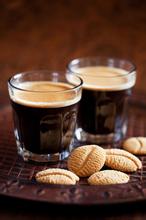
Panamanian Kasha boutique coffee bean flavor and taste the characteristics of the manor area introduce the varieties of Panamanian coffee
The Panamanian isthmus was originally inhabited by Indian settlements such as Chibucha and the Caribbean. In 1501, Panama was colonized by Spain and belonged to the Governor of New Granada. [5] in 1821, Panama became independent and became part of the Republic of Greater Columbia. [5] in 1830, after the dissolution of the Republic of Great Columbia, it became a member of the Republic of New Granada (later known as Colombia).
2016-08-12 Bana Marca boutique coffee beans flavor taste manor producing area characteristics introduction
Sucrose, low-acid, solid round beans from Chateau Kimmel, Papua New Guinea, mocha coffee beans.
Located in the east of the Indonesian archipelago, Papua New Guinea, which is dominated by highlands, has a pattern of large manors / farms and small farmers, growing a variety of coffee varieties. The flavor of coffee in Papua New Guinea is very different from that of coffee from other Asian regions such as Indonesia, South Asia, India or the Pacific Islands; compared to Indonesian beans, which are mostly semi-washed (wet peeled).
2016-06-25 Sugar low acid sturdy Papua New Guinea Mayer Manor Round Bean Xiaomo Coffee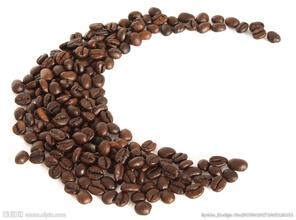
Raw coffee beans from Papua New Guinea
Papua New Guinea is located in the eastern part of the Indonesian territory of the island of Irian Jaya. Papua New Guinea has established its position as a boutique coffee brand since 1937, when bourbon species from the Blue Mountains were first planted. Small-scale coffee farms in alpine areas mainly grow this kind of coffee, which has a natural environment similar to that of the Blue Mountains in Jamaica. Papua New
2016-06-05 Papua New Guinea coffee raw beans located in belonging to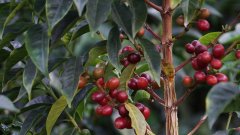
Washed and treated with low acid and solid flavor boutique coffee round beans from Kimmel Manor, Papua New Guinea
The harvesting method and refining method are adopted. Generally speaking, it is better to adopt manual harvesting method and water washing refining method. A variety of fine coffee. It is better to use Arabica inherent variety Tibica or bourbon variety. Is the altitude, topography, climate, soil and refinement of the cultivated land or farm clear? Generally speaking, the coffee with high altitude is of higher quality, and the fertile volcanic soil is the best soil.
2016-06-30 Washing treatment low acid solid flavor boutique coffee Papua New Guinea Mai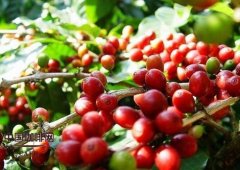
Grade A water washing treatment of pearl beans in PNG Kimmel Manor, Papua New Guinea
Papua New Guinea (Papua New Guinea) aroma 3.5 minutes brightness 3.5 minutes mellow 3.5 minutes flavor 4.5 minutes aftertaste 4 points suitable for baking: City/Full city New Guinea beans can be baked a wide range of soft, balanced flavor from city to a balanced flavor of full city, and even oil re-baking can be done, depending on your preference. New Guinea
2016-05-10 Papua New Guinea PNG Mayer Manor washing processing pearls beans
Flavor and taste of Papua New Guinea Coffee Manor
However, it is almost inevitable that the surge in production leads to a decline in quality. Before 1991, the quality of coffee was good, and most of it belonged to open Y and so on. After 1991, the quality gradually declined, and then the European market was lost.
2016-07-21 Papua New Guinea coffee manor producing area flavor taste introduction coffee beans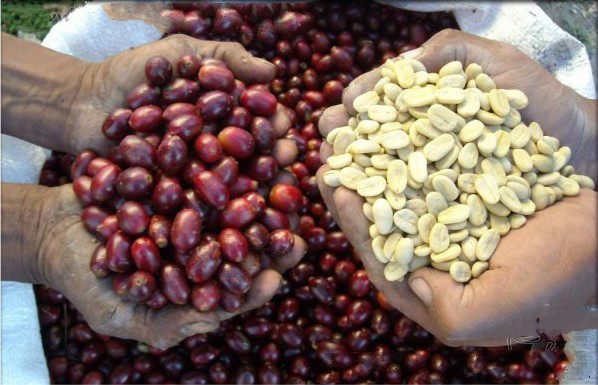
Grade A water washing treatment of pearl beans at PNG Kimmel Manor, Papua New Guinea, Indonesia
Located in the east of the Indonesian archipelago, Papua New Guinea, which is dominated by highlands, has a pattern of large manors / farms and small farmers, growing a variety of coffee varieties. The flavor of coffee in Papua New Guinea is very different from that of coffee from other Asian regions such as Indonesia, South Asia, India or the Pacific Islands; compared to Indonesian beans, which are mostly semi-washed (wet peeled).
2016-03-30 Indonesia Papua New Guinea PNG Mayer Manor washing treatment
Yunnan Xincheng Farm
Wang Guoshi, legal representative of the farm, with registered capital of 7.78 million yuan and total assets of 14.92 million yuan, mainly produces and sells processed coffee, pepper, mango, longan, banana and other tropical cash crops and fruits. The farm has a total population of 2036, with a total land area of 13125.58 mu, including 4500 mu of coffee, 153mu of pepper and the rest of tropical fruit. Annual output of 320 tons of coffee and 18 tons of pepper
2014-04-27 Yunnan New Town Farm legal Representative Kingdom registered Capital 7.78 million yuan
An introduction to the New Organic Coffee Manor-- an introduction to the cultivation of Organic Coffee in Borosa Manor
Organic Coffee (Purosa Estate M10 JAS Organic) the seeds of coffee from Papua New Guinea were introduced from Jamaica, Kenya, Tanzania and other countries more than 70 years ago in the 1930s. Formal planned cultivation since the 1950s; the main producing areas are Groca and Madha in the central mountains. This Polosa farm.
2016-03-31 New Guinean Organic Coffee Manor introduction Poirot planting Papua New Guinea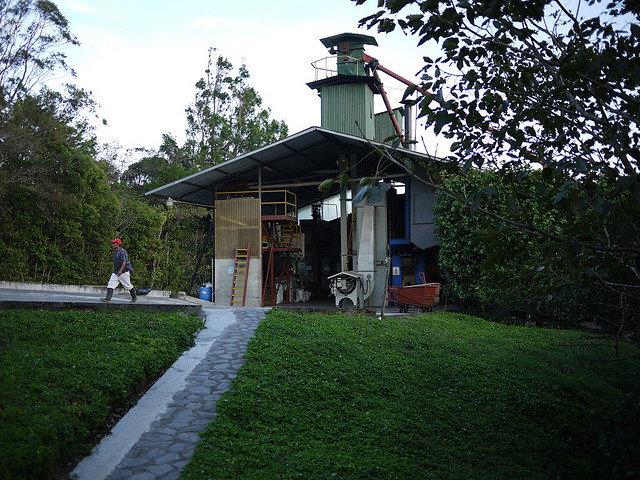
Grade A washing treatment of pure black pearl beans at PNG Kimmel Manor, Papua New Guinea, Oceania
Located in the east of the Indonesian archipelago, Papua New Guinea, which is dominated by highlands, has a pattern of large manors / farms and small farmers, growing a variety of coffee varieties. The flavor of coffee in Papua New Guinea is very different from that of coffee from other Asian regions such as Indonesia, South Asia, India or the Pacific Islands; compared to Indonesian beans, which are mostly semi-washed (wet peeled).
2016-04-11 Oceania Papua New Guinea PNG Mayer Manor washing processing Pearl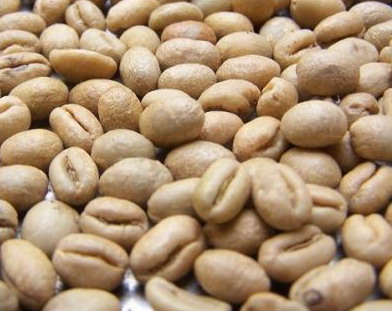
Raw beans Wholesale Price Papua New Guinea washing treatment Coffee Raw beans Chimeier Manor Round Bean Price
Located in the east of the Indonesian archipelago, Papua New Guinea, which is dominated by highlands, has a pattern of large manors / farms and small farmers, growing a variety of coffee varieties. The flavor of coffee in Papua New Guinea is very different from that of coffee from other Asian regions such as Indonesia, South Asia, India or the Pacific Islands; compared to Indonesian beans, which are mostly semi-washed (wet peeled).
2016-04-13 Raw beans Wholesale Price Papua New Guinea washing processing Coffee Mayer Manor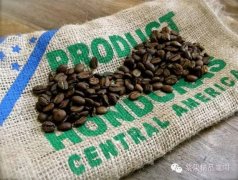
The size of coffee producing areas reduced due to the new government in Honduras
According to a recent report released by Reuters Africa, leaders of the Honduran Ministry of Agriculture plan to convert 8% of the country's coffee farms to cocoa. The news came from the country's Ministry of Economic Development and the National Coffee Association ihcafe told Reuters, the country's Minister of Economic Development Alden Rivera pointed out that because many coffee farms are affected by a particularly serious leaf rust disaster, if not
2016-07-14 Honduras New deal Coffee producing area size reduction